
Course Summary
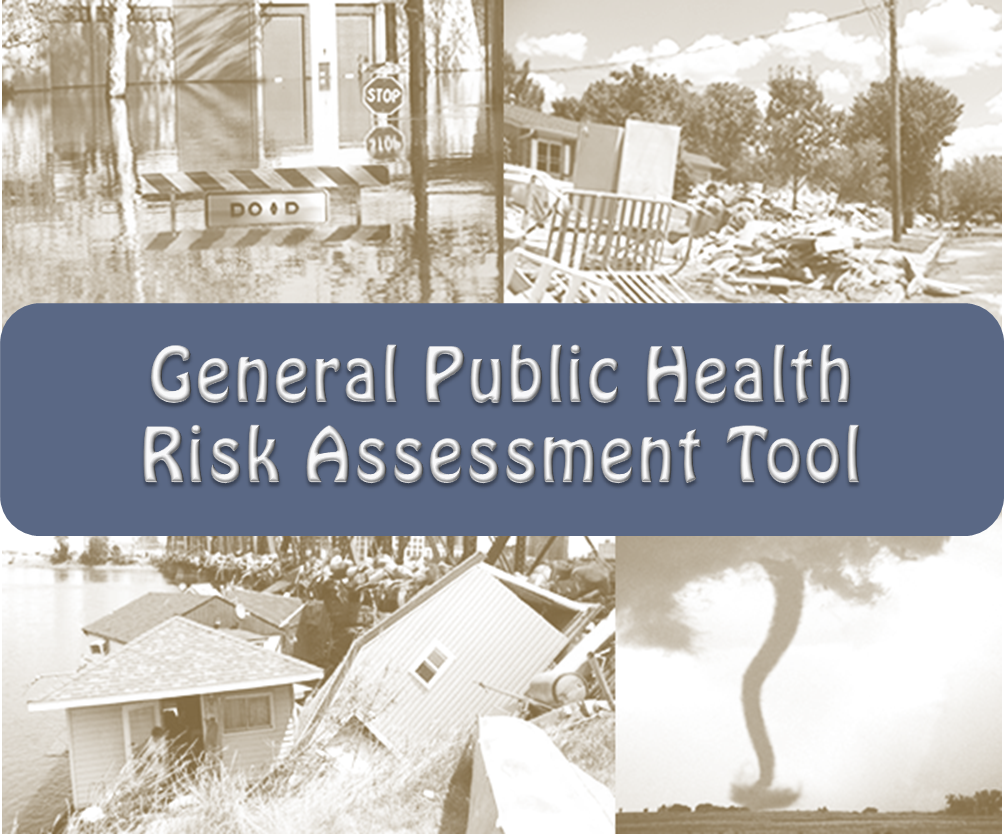
Risk assessments are a vital source of baseline information for preparedness planning. These tools will provide an opportunity to better understand potential risks from the identified hazards, risks, and vulnerabilities and to better prepare for those potential events.
The identified hazards, risks, and vulnerabilities are broken into three main categories:
- natural hazards
- human-caused hazards
- technological/accidental hazards
Intended Audience
Learning Objectives
Pre-requisites/Learning Level
No Pre-requisites
Competencies addressed
CEUs Offered
None
Cost
Free
Modality/format
Online Self-Pace
Length
1 hour
Presenter(s) and/or Content Experts
Technical requirements
- Adobe Acrobat Reader
Registration requirements
Register a free account
Creation and/or update
November 26, 2012
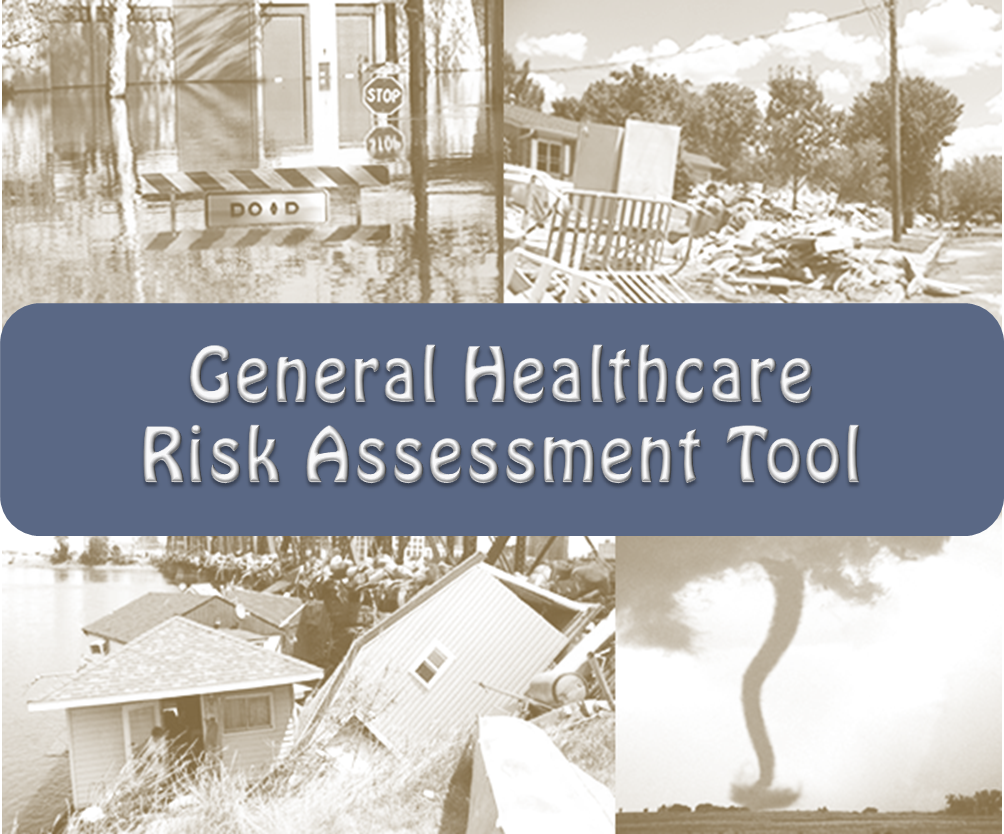
This Healthcare Risk Assessment Tool is based on existing hazard and vulnerability assessment tools, such as the Kaiser Permanente HVA tool and the UCLA Center for Public Health and Disaster Hazard Risk Assessment Instrument. This is specific to healthcare facilities and will take an hour or more to complete.
This assessment has three main hazard sections to complete:
- Section 1: Natural Hazards (14 hazards to assess)
- Section 2: Human-Caused Hazards (10 hazards to assess)
- Section 3: Technological/Accidental Hazards (21 hazards to assess)
Intended Audience
Learning Objectives:
Pre-requisites/Learning Level
No pre-requisites
Competencies addressed
Analytical/Assessment Skills, Policy Development/Program Planning Skills, Community Dimensions of Practice Skills
CEUs Offered
None
Cost
Free
Modality/format
Online Self-Pace
Length
1 hour
Presenter(s) and/or Content Experts
Technical requirements:
- Adobe Acrobat Reader
- Flash Player
- Speakers
Registration requirements
Register a free account
Creation and/or update
November 26, 2012
The Risk assessment tool is only available to specific accounts that were created for each hospital and local public health agency in Iowa and cannot be found in the course catalog.
Risk assessments are a vital source of baseline information for preparedness planning. These tools will provide an opportunity to better understand potential risks from the identified hazards, risks, and vulnerabilities and to better prepare for those potential events.
The identified hazards, risks, and vulnerabilities are broken into three main categories:
- natural hazards
- human-caused hazards
- technological/accidental hazards
Course Summary
This Public Health Risk Assessment Tool is based on existing hazard and vulnerability assessment tools, such as the Kaiser Permanente HVA tool and the UCLA Center for Public Health and Disaster Hazard Risk Assessment Instrument. This is specific to local public health agencies and will take an hour or more to complete.
This assessment has three main hazard sections:
- Natural Hazards (14 hazards to assess)
- Human-Caused Hazards (7 hazards to assess)
- Technological/Accidental Hazards (16 Hazards to assess)
For each hazard, you will be assessing your agency on five things:
- Probability
- Human Impact
- Infrastructure Impact
- Community Impact
- Training
- Preparedness
Please read each question carefully and answer the question as it relates to your agency and how the hazard could impact your community. This assessment will provide an opportunity for your agency to better understand potential risks from the identified hazards and vulnerabilities and to better prepare for those potential events. It helps answer the question, “What is the impact to local public health and the community if a disaster strikes?”
Intended Audience
General
Learning Objectives:
Pre-requisites/Learning Level
No pre-requisites
Competencies addressed
CEUs Offered
None
Cost
Free
Modality/format
Online Self-Pace
Length
1 hour
Presenter(s) and/or Content Experts
Technical requirements:
- Adobe Acrobat Reader
- Flash Player
- Speakers
Registration requirements
Register a free account
Creation and/or update
July 31, 2012
This course is provided by the South Central Public Health Partnership. This course provides a survey of the theory and practice of human health risk assessment. The basic components of risk assessment are explained and real-life applications of each component and of risk assessment as a whole are discussed. In addition, special topics and issues related to risk assessment are covered including basic toxicology, ecological risk, assessment, uncertainty analysis and risk communication. This course is intended for anyone who manages and interprets human health risk assessments. This course is provided by the South Central Partnership who requires a registration with their site in order to take their courses. Click the course title to launch their home page. Register with them, then search for this course by name. When you have completed the course and received your certificate, return to our LMS and choose Mark Complete from the action menu in your Learning Plan in your Workspace.
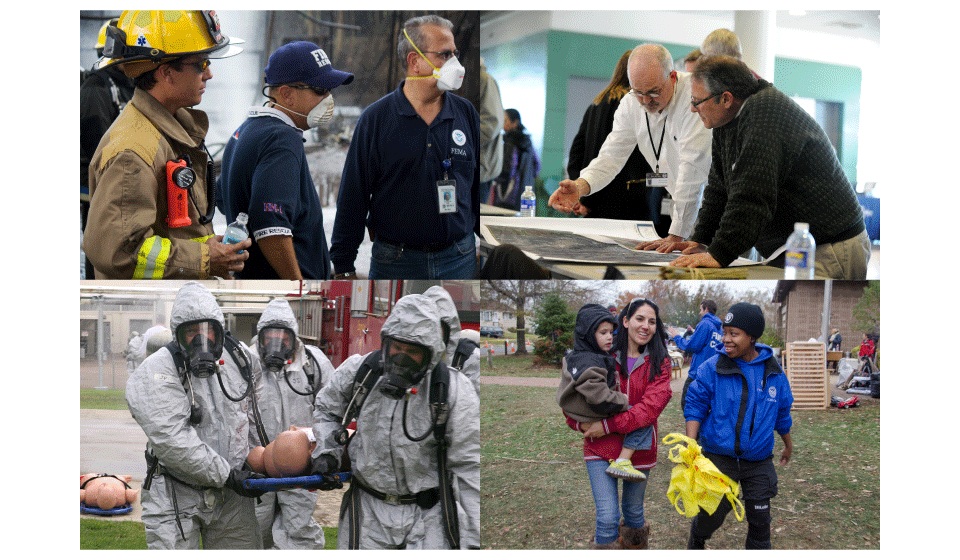
This course provides guidance on the fundamentals of community-based planning, from contributing to a risk assessment to developing emergency operations plans (EOP) and engaging the whole community in addressing all risks and hazards. The course is intended for local public health administrators and local county emergency managers.
Intended Audience
local public health administrators and local county emergency managers
Learning Objectives:
After completing this course, learners should be able to:
- Applythe principles of community-based planning in contributing to a jurisdictional risk assessment for all hazards
- Expressthe role of risk assessment in developing emergency operations plans
- Identifya risk-informed planning team and community partners
- Determineresources and information necessary to analyzing threats, hazards, operational priorities, and courses of action
- Recognizethe various items to consider when conducting a risk assessment
- Applythe principles of community-based planning to developing and maintaining emergency operations plans (EOP)
- Identifypublic and private community partners who may contribute to developing and maintaining emergency operations plans
- Promotepreparedness training, and regular review and revision of the EOP
- Providepreparedness guidance to community partners that may have a supporting role
- Identifyand prioritize operation tasks for emergency planning
Pre-requisites/Learning Level
No pre-requisites
Competencies addressed
Core Competencies for Public Health Professionals identified
Domain 5: Community Dimensions of Practice Skills
- 5A5. Collaborates with community partners to improve health in a community (e.g., participates in committees, shares data and information, connects people to resources)
CEUs Offered
None
Cost
Free
Modality/format
Online Self-Pace
Length
1 hour
Presenter(s) and/or Content Experts
Technical requirements:
- Adobe Acrobat Reader
- Flash Player
- Speakers
Registration requirements
Register a free account
Creation and/or update
June 27, 2012